
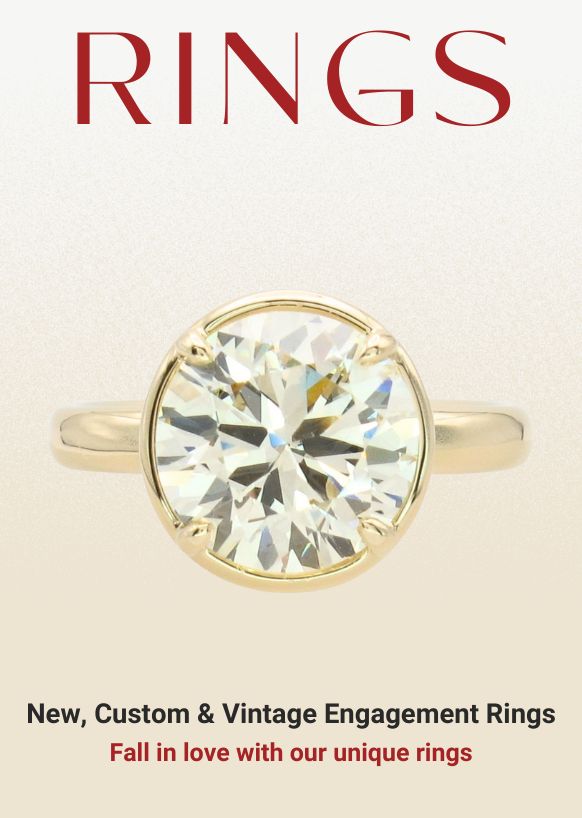
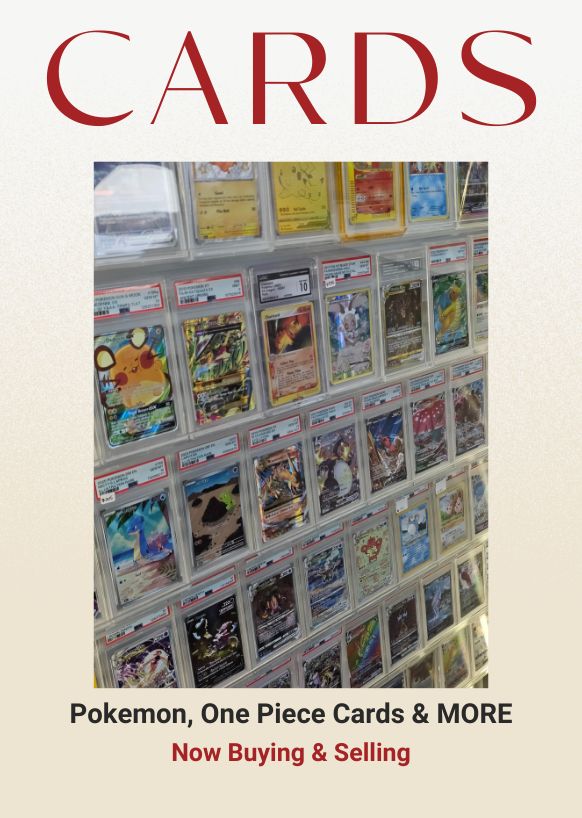

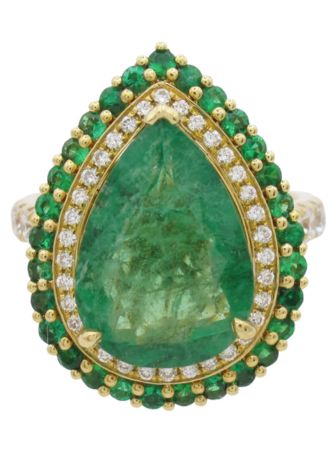
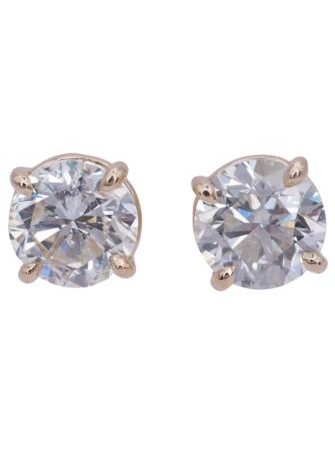

Bay Area Fine Jewelers * Diamond Brokers In Tampa * Wholesale Diamonds Hillsborough * South Sea Pearls Servicing Pinellas Area Cities Bellair * Clearwater * Gulfport * Oldsmar * Palm Harbor * Plant City * Pinellas Park * Largo * St. Petersburg * Safety Harbor * Seminole * Tierra Verde Florida We service the Tampa Bay cities of Bloomingdale * Brandon * Carrollwood Villiage * Lithia * Lutz * Odessa * Riverview * Seffner * Tampa * Town And County * Valrico * YBor City * Hillsborough County Florida Custom Rings * Custom Jewelry * Diamond Rings * Diamonds * Engagement Rings * Fine Jewelry * Fine Jewellery * Online Jewelers Ring Cleaning * Remounting * Resizing * Settings Fixed * Soldered * Stone Recutting Independent Fine Jewelers In St. Petersburg * Jewelry Stores

12293 Seminole Blvd. Largo, Florida 33778

727-586-0414   877-619-3919

Watch a recent story about Arnold Jewelers, as seen on Fox 13 News regarding selling silver

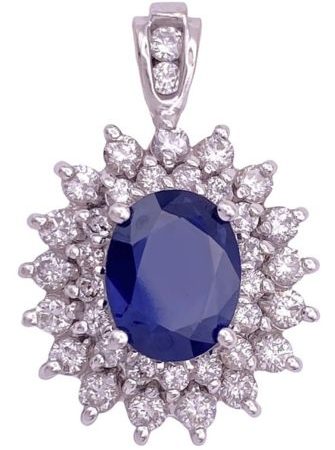
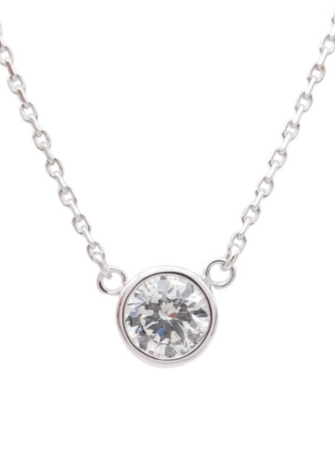
We have a great selection of circle and journey pendants 9:30 am - 5:30 pm M-F
10:00 am - 4:00 pm S

What Makes One Diamond More Valuable Than Another?

Many people are confused about how diamonds are priced. The best explanation is that asking for the price of a diamond is like asking for the price of a house. A real estate agent can’t quote you a price for a house without knowing its size, condition, location, etc. This process is the same one used when buying a diamond. A diamond’s beauty, rarity, and price depend on the interplay of all the 4Cs—cut, clarity, carat, and color.

The 4Cs are used throughout the world to classify the rarity of diamonds. Diamonds with the combination of the highest 4C ratings are more rare and, consequently, more expensive. No one C is more important than another in terms of beauty and it is important to note that each of the 4Cs will not diminish in value over time. Once you have established those 4C characteristics that are most important to you, a jeweler can then begin to show you various options with quoted prices.

Carat: Refers to a diamonds weight.

Carat is often confused with size even though it is actually a measure of weight. One carat is equivalent to 200 milligrams. One carat can also be divided into 100 “points.” A .75 carat diamond is the same as a 75-points or 3/4 carat diamond. A 1-carat diamond costs exactly twice the price of a half-carat diamond, right?

Wrong. Since larger diamonds are found less frequently in nature, which places them at the rarest level of the Diamond Quality Pyramid, a 1-carat diamond will cost more than twice a 1/2-carat diamond (assuming color, clarity and cut remain constant).

Cut and mounting can make a diamond appear larger (or smaller) than its actual weight. So shop around and talk to your jeweler to find the right diamond and setting to optimize the beauty of your stone.

Clarity: The presence of inclusions in a diamond.

Inclusions are natural identifying characteristics such as minerals or fractures, appearing while diamonds are formed in the earth. They may look like tiny crystals, clouds or feathers.

To view inclusions, jewelers use a magnifying loupe. This tool allows jewelers to see a diamond at 10x its actual size so that inclusions are easier to see. The position of inclusions can affect the value of a diamond. There are very few flawless diamonds found in nature, thus these diamonds are much more valuable.

Inclusions are ranked on a scale of perfection, known as clarity, which was established by the Gemological Institute of America (GIA). The clarity scale, ranging from F (Flawless) to Included (I), is based on the visibility of inclusions at a magnification of 10x.

Some inclusions can be hidden by a mounting, thus having little effect on the beauty of a diamond. An inclusion in the middle or top of a diamond could impact the dispersion of light, sometimes making the diamond less brilliant. The greater a diamond's clarity, the more brilliant, valuable and rare it is—and the higher it is on the Diamond Quality Pyramid.

Color: Refers to how "colorless" a diamond is.

Diamonds range in color from icy winter whites to warm summer whites. Diamonds are graded on a color scale established by the Gemological Institute of America (GIA) which ranges from D (colorless) to Z.

Warmer colored diamonds (K–Z) are particularly desirable when set in yellow gold. Icy winter whites (D–J) look stunning set in white gold or platinum.

Color differences are very subtle and it is very difficult to see the difference between, say, an E and an F. Therefore, colors are graded under controlled lighting conditions and are compared to a master set for accuracy.

Truly colorless stones, graded D, treasured for their rarity, are highest on the Diamond Quality Pyramid. Color, however, ultimately comes down to personal taste. Ask a jeweler to show you a variety of color grades next to one another to help you determine your color preference.

Cut: Refers to shape of the diamond.

Diamonds come in many shapes—round, square, pear, or heart for example. Since a round diamond is symmetrical and capable of reflecting nearly all the light that enters, it is the most brilliant of all diamond shapes and follows specific proportional guidelines. Ask a jeweler to find out more about these guidelines.

Non-round shapes, also known as “fancy shapes,” will have their own guidelines to be considered well-cut.

Making a purchase: How much to invest?

When you start to think about buying a diamond—and the love it will symbolize—you naturally want the best you can afford and a beautiful stone you will treasure forever.

Diamonds can be found in a range of price—and you're certain to find one that suits your taste and what you plan to spend. If you're about to buy a Diamond Engagement Ring, you may want to consider spending the commonly accepted guideline of two months’ salary. But it's up to you to settle on a diamond that will truly represent your deepest emotions and the promise for the future you will share.

Finding a Quality Jeweler. The 5th C: Confidence.

A good jeweler is the first step to a smart diamond purchase. To find a jeweler you can trust, ask your family and friends for recommendations. Your jeweler should be knowledgeable about diamonds and help you feel comfortable making this important purchase.

If you are unaware of a jeweler in your area, it may be helpful to contact the Jewelers of America (800-223-0673) or the American Gem Society (800-341-6214) for a recommendation.